

Understanding Mountain Hypothermia and Its Signs
The fells are beautiful, but the weather writes its own rules
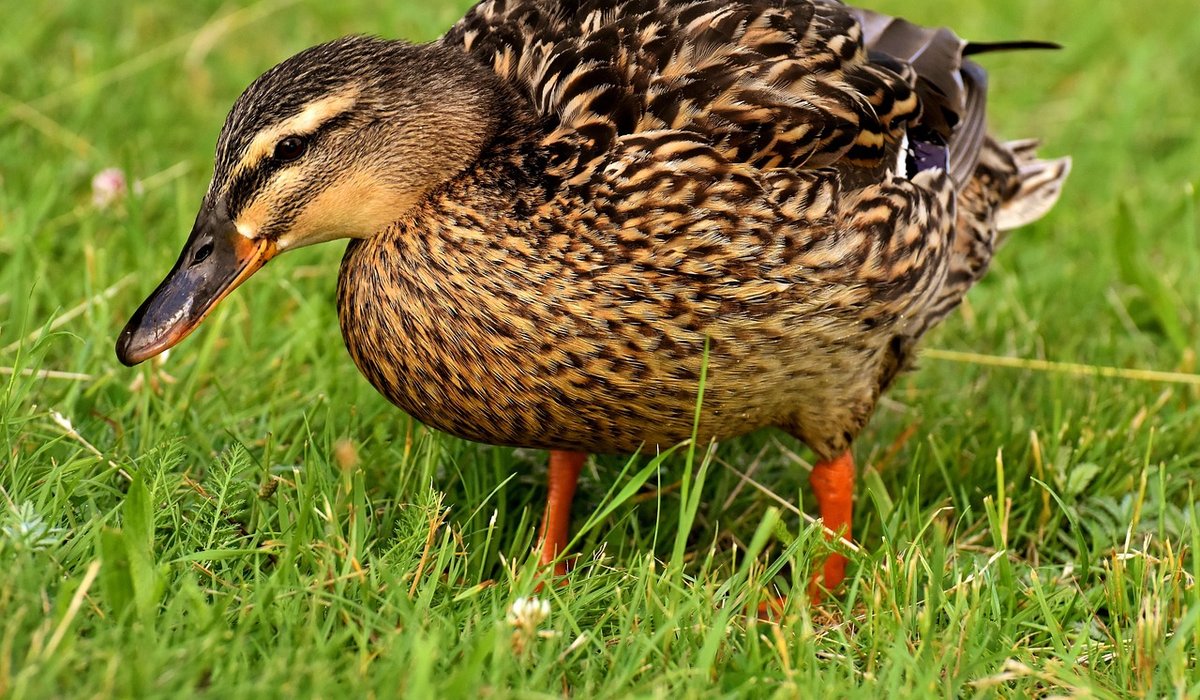
There is nothing quite like a British fell day: the crunch of frost underfoot, the cry of a raven, the way light spills across a corrie. But our uplands are small in height and huge in weather. A still, clear valley can turn into a wind-scoured ridge in minutes. Rain, sleet, and a stiff breeze can strip heat from you faster than a dry, still minus five. That is why hypothermia is not just a winter mountaineering problem. It can happen on a summer’s day in the Lake District, the Pennines, or the Scottish Highlands. Good nature writing is about noticing—the colour of cloud, the behaviour of birds, the feel of the wind. The same skill keeps you safe on the hill.
How hypothermia takes hold on a British hill
Hypothermia means your core temperature drops below 35°C. Your body responds by narrowing blood vessels in your skin and limbs, keeping warmth for your heart, lungs, and brain. Shivering kicks in to generate heat. But if you are wet, tired, and out of energy, that defence fails. Wet clothing conducts heat away about 25 times faster than air, and wind chill accelerates it further. The temperature does not have to be below freezing. A wet, windy day at 5°C is prime hypothermia weather—often worse than a dry, still -5°C. The classic British combination of rain, wind, and sweat is the real danger.
The early warning signs: the "umbles"
Recognise the signs early. The first changes are subtle, and the person affected often does not notice. Watch for the "umbles":
- Mumbles: slurred speech, slow replies, or a flat, uninterested tone.
- Stumbles: tripping over easy ground, poor balance, or a sudden lack of coordination.
- Fumbles: dropping gloves, struggling with zips, or clumsy hands.
- Grumbles: unusual irritability, apathy, or a sense of "I just want to sit down".
Other early signs include intense shivering, cold pale skin, and exhaustion that seems out of proportion to the effort. If someone is shivering violently, they are still in the early stage. That is your window to act. In a group, appoint a buddy and check on each other regularly. Ask simple questions: "What did you have for breakfast?" If the answer is slow or confused, take note.
When it turns serious: signs you must not ignore
As core temperature falls further, shivering may stop. This is not a good sign—it means the body has given up trying to warm itself. Look for:
- Confusion, drowsiness, or irrational behaviour.
- Slow, shallow breathing and a weak pulse.
- Blue lips or fingertips.
- Muscle rigidity, or a person who cannot walk even with help.
- Loss of consciousness.
Paradoxical undressing is rare but possible—if someone starts removing clothes in cold conditions, that is a medical emergency. At this stage, every minute matters. Do not rub the limbs, do not give alcohol, and do not let them walk if they are unsteady. Handle them gently and seek help immediately.
What to do right away: shelter, warmth, and a hot drink
Act quickly and calmly. First, get out of the wind and rain. Use a bothy bag, group shelter, or even a large rucksack to block the wind. Insulate the person from the ground with a foam mat, rucksack, or spare clothing. Remove wet layers and replace them with dry ones—hat, gloves, fleece, waterproofs. Wrap them in a sleeping bag or emergency blanket. If you have a hot, sweet drink and they are fully conscious and able to swallow, give it. No alcohol. Do not give food or drink to someone who is drowsy or unable to swallow. If they are shivering, share body heat in a sleeping bag. If symptoms are severe, call 999, ask for the police, and request mountain rescue. Give a grid reference and describe the situation clearly. If you have a stove, make a warm sugary drink—but never delay shelter to brew up.
Preventing hypothermia: small habits that save lives
Prevention is simple but demands discipline. Check the mountain forecast, not just the valley one. Pack spare gloves, a hat, and a warm layer even in July. Avoid cotton next to your skin; wear synthetic or merino baselayers that wick sweat. Eat and drink regularly—little and often, a sandwich or handful of nuts every hour. Carry a flask of hot tea or squash. Pace yourself so you do not soak your clothes with sweat. Carry a headtorch, map, compass, and emergency shelter even on a short walk, and learn to navigate in poor visibility. Turn back if the weather turns or someone in the group is struggling. And remember: the fells will still be there next weekend. Enjoy the ravens, the moss, the quiet. But keep an eye on each other, and act the moment you see the first "umble". That is how you stay safe and keep loving the hills.


Fell Walks
-
Pack out litter, avoid widening eroded trails and keep dogs under control to protect rare habitats and grazing livestock.
Hillcraft




-

Long established fact that a reader will be distracted
-

Long established fact that a reader will be distracted
-

Long established fact that a reader will be distracted


Navigation
Karla Gleichauf
12 May 2017 at 05:28 pm
On the other hand, we denounce with righteous indignation and dislike men who are so beguiled and demoralized by the charms of pleasure of the moment
M Shyamalan
12 May 2017 at 05:28 pm
On the other hand, we denounce with righteous indignation and dislike men who are so beguiled and demoralized by the charms of pleasure of the moment
Liz Montano
12 May 2017 at 05:28 pm
On the other hand, we denounce with righteous indignation and dislike men who are so beguiled and demoralized by the charms of pleasure of the moment