

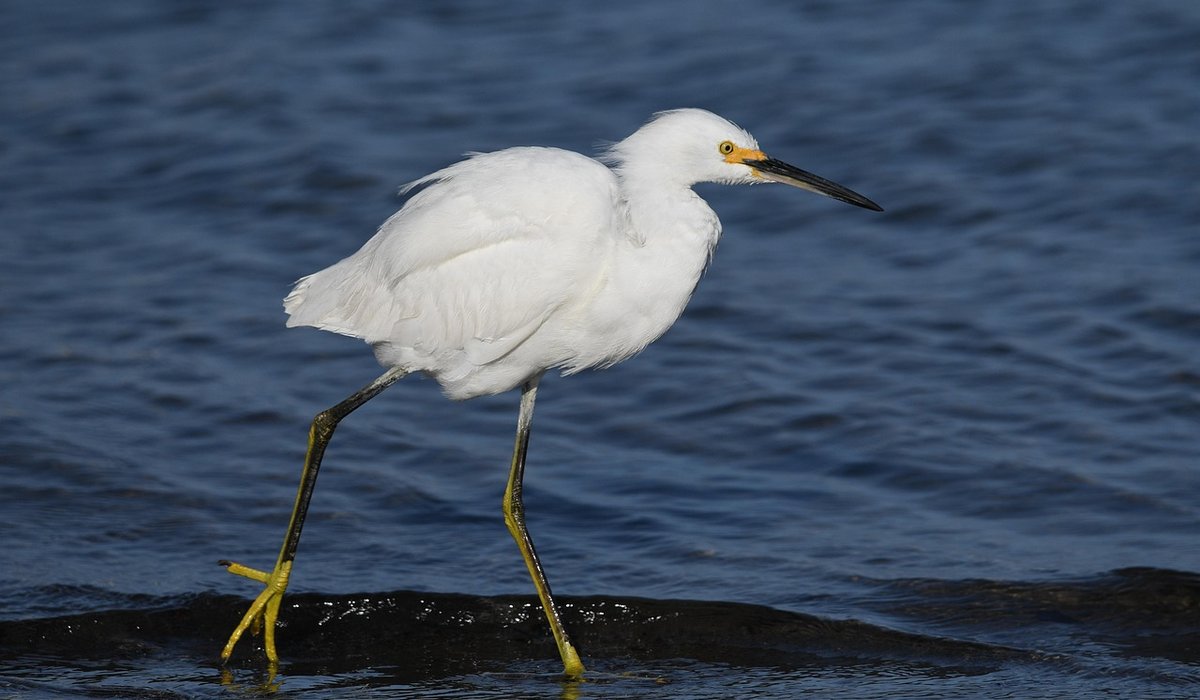
The Quiet Joy of Walking Through Autumn Fells
The Season That Rewrites the Hills
Autumn arrives on the fells quietly and then all at once. One week the bracken is still green and shoulder-high, flattening under your boots as you push through it; the next it has gone the colour of a tarnished copper kettle, and the paths you were following blindly in August are suddenly drawn plainly across the hillside. For anyone who walks in the uplands, this is the great gift of the season: the landscape stops hiding things from you.
There is also the air. After the first proper cold snap, the haze of summer lifts and distances rearrange themselves. Hills you thought were four or five miles away turn out to be nearer, or further, and ridges that usually dissolve into grey now stand out with a hard, clean edge. Walkers often talk about autumn light as if it were purely a matter of colour, but much of the pleasure is in clarity.
What to Look For as You Climb
The fells are generous in autumn, provided you know what to attend to. A few things worth watching for on any upland walk between September and November:
- Bracken colour — the sequence from green through gold to rust-brown tracks the season precisely. On a south-facing slope it will turn earlier than on a shaded northern flank.
- Rowan and hawthorn berries — heavy crops of red berries often signal a hard winter ahead, or so the old saying goes. Either way, they draw in redwings and fieldfares from Scandinavia.
- Heather going over — the purple fades to a soft brown-grey, and the hills lose that vivid late-summer wash.
- Revealed archaeology — with vegetation died back, sheep folds, old boundary banks and the faint lines of packhorse tracks become visible on ground you have walked a dozen times without noticing.
- Fungi and moss — damp hollows fill with waxcaps and fly agaric, and the sphagnum turns a startling crimson in the bogs.
Low Light and Long Shadows
As the sun sinks lower in the sky, it stops being a source of warmth and becomes a source of drama. Shadows stretch horizontally across the slopes, picking out every hummock and gully, and the light takes on a honeyed, almost amber quality in the hour before dusk. Photographers chase this, but walkers get something better: the fells read like a map of their own relief.
It also means you need to think harder about time. In the Lake District in late October, the sun can be down behind the western ridges by half past four, and true darkness follows within forty minutes. Add cloud and rain and you have an hour less than you expected. Plan the day around the earliest plausible sunset, not the latest.
Walking Shorter Days Well
Autumn walking is not complicated, but it rewards a little discipline. The ground is often wetter than the forecast suggests — upland peat holds water for days — and wet rock, especially limestone, becomes genuinely greasy under leaf litter. A few practical habits make a real difference:
- Start earlier than you think you need to. A 9am start in October feels indulgent; by 3pm you will be grateful for it.
- Carry a head torch even on a short walk, and check the batteries. This is the single most useful thing in your pack after September.
- Layer rather than bulk up. A base layer, a light fleece and a waterproof shell will handle almost anything the British uplands throw at you in autumn.
- Take walking poles if you have knee trouble. Wet descents on loose stone are where most minor accidents happen.
- Leave a route card with someone at home, and remember that mobile signal in the hills is a bonus, not a plan.
The Slower Art of Noticing
Autumn is the season that most rewards walking slowly. In summer the temptation is to cover ground — to tick off summits, to make the most of long daylight. In autumn the days are short enough that ambition has to give way to attention. You walk a smaller circuit and see more of it.
Try naming things as you go. Not for any scientific purpose, simply because naming is a form of looking. That grey bird tumbling over the crag is a ring ouzel, passing through on its way south. The low, chuckling call from the heather is a red grouse. The white rump flashing ahead of you on the path is a wheatear, one of the last before it leaves. A single raven, cronking overhead, is likely a resident pair patrolling a territory they will hold all winter.
This attentiveness is the heart of upland nature writing, from the old hill diaries to Nan Shepherd's The Living Mountain, and it costs nothing to practise. Stop every twenty minutes or so. Stand still long enough for your breathing to settle. Cold air carries scent and sound further than warm air does, and you will hear water, wind and birdsong in a way that summer rarely allows.
Weather, Water and the Case for Going Anyway
Autumn weather in the British hills is unreliable in the specific, glorious way that makes it worth going out in. You may get a temperature inversion, with cloud filling the valleys and summits clear above it — a sight that repays a pre-dawn start more than almost anything else in walking. You may get horizontal rain and a wind that finds the gap between your hood and your collar. Often you get both in the same day.
Go anyway, within reason. Choose a lower, sheltered route if the tops are forecast to gust above forty miles an hour. Keep an eye on the ground underfoot as the leaves pile up, and turn back without shame if the daylight begins to look uncertain. The fells will still be there in November, and again in the quieter weeks of winter, when the bracken has collapsed entirely and the whole landscape has been stripped back to its bones.


Fell Walks
-
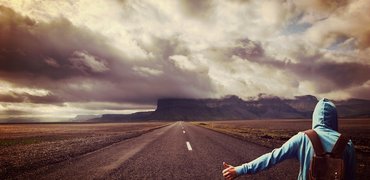
Learn to interpret cloud, wind and rain signals so you can choose a safe route and turn back before conditions worsen on exposed ridges.
Hillcraft



-

Long established fact that a reader will be distracted
-

Long established fact that a reader will be distracted
-

Long established fact that a reader will be distracted


Navigation
Karla Gleichauf
12 May 2017 at 05:28 pm
On the other hand, we denounce with righteous indignation and dislike men who are so beguiled and demoralized by the charms of pleasure of the moment
M Shyamalan
12 May 2017 at 05:28 pm
On the other hand, we denounce with righteous indignation and dislike men who are so beguiled and demoralized by the charms of pleasure of the moment
Liz Montano
12 May 2017 at 05:28 pm
On the other hand, we denounce with righteous indignation and dislike men who are so beguiled and demoralized by the charms of pleasure of the moment