

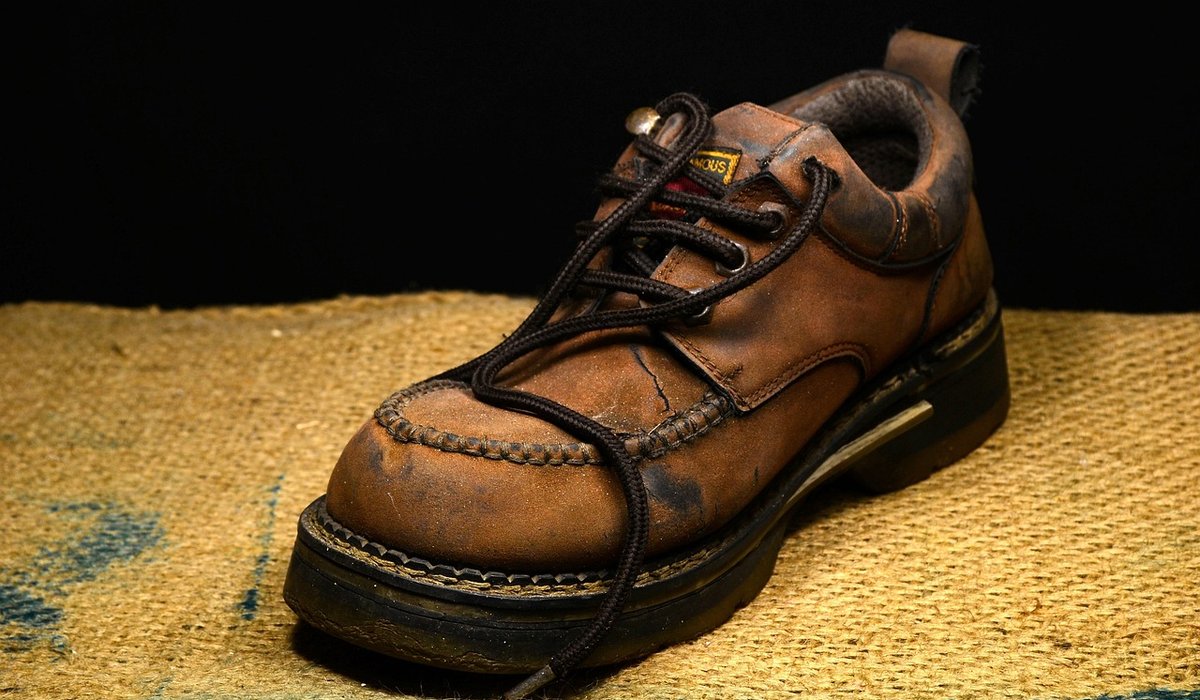
Essential Safety Checks Before a Solo Fell Walk
Why a Solo Day on the Fells Asks More of You
Walking alone in the hills is one of the great quiet pleasures of British upland life. No negotiating pace, no small talk, just the rhythm of your own boots on sheep-cropped turf and the slow reveal of a ridge line as cloud lifts off the tops. But solo walking removes the safety net that a companion quietly provides: a second pair of eyes on the map, a spare layer you can borrow, someone to go for help if a ankle turns awkwardly on wet rock.
None of that should put you off. It simply means a solo day needs twenty minutes of deliberate preparation before you leave the car park — a routine that becomes second nature and, far from spoiling the day, tends to make it more enjoyable because you know the variables are covered.
Share the Plan, Not Just the Idea
"I'm off up to the Lakes tomorrow" tells nobody anything useful. What a partner, flatmate or friend needs is a route card: where you're starting, the intended line, the summit or turning point, your estimated finish time, and the details of your car. Give them a marked map or a written description of the route, and make sure they know they're expected to act if you don't check in.
- Send a photo of the map with your route drawn on it, plus grid references for the start and finish.
- Agree a check-in time — for example, a text when you're back at the car — and a second time after which they should raise the alarm.
- Tell them what you're wearing and carrying, so a description can be passed on if it's needed.
- Update them if you change the plan on the hill. A short message from a summit saves a lot of worry.
If you're walking somewhere remote and genuinely have nobody to tell, consider a bothy or campsite warden, or leave a note on the dashboard with your route and expected return.
Read the Forecast for the Altitude You'll Actually Be At
A valley forecast of light winds and sunny spells can sit alongside gale-force gusts and driving drizzle on the tops, particularly on the higher Lakeland and Snowdonian summits or the Cairngorm plateau. Check a dedicated mountain forecast rather than a town one, and look specifically at wind speed and direction, cloud base, precipitation, and the likelihood of lying snow or ice.
Wind is the factor solo walkers most often underestimate. On an exposed ridge, forty miles an hour is enough to make you stagger, and a gust can put you off balance at precisely the moment you're stepping over a stile. Cloud base matters too: if it's forecast below your summit, plan to navigate rather than to admire the view. And in winter, remember the daylight — a route that takes six hours in June might take eight in November, with a head torch needed for the last hour. Set a turn-around time, not just a finish time, and honour it.
Pack the Kit That Earns Its Place
For a solo walk, your pack should assume you might have to sit still for a while, or move slowly with an injury. Spare layers are the priority: an extra insulating mid-layer and a waterproof shell that actually keeps rain out, not a shower-proof jacket you've owned since university.
- Spare warm layer and hat and gloves, even in summer. Hypothermia is a mild-day problem as much as a winter one.
- A whistle on a cord around your neck, not buried in the pack. Six blasts, repeated after a minute, is the recognised distress signal — it carries further than a tired voice.
- Map, compass and a GPS device or phone with the route downloaded, plus a paper backup and spare batteries or a power bank.
- Head torch with fresh batteries, emergency shelter or bothy bag, and a basic first aid kit including a blister dressing and a triangular bandage.
- Food and water for the day plus a little extra, and a fully charged phone kept in a waterproof bag. In an emergency, dial 999, ask for police, then mountain rescue.
Pace Yourself and Know When to Turn Back
Most accidents on British hills happen on the descent, when tiredness dulls concentration and legs are less reliable on loose ground. Walk within your own fitness, take breaks before you need them, and eat and drink steadily rather than in one big summit lunch. If visibility drops, stop, put your hood up, eat something, and take a proper bearing rather than pressing on hopefully.
The hardest skill in solo walking is turning around. If the wind is stronger than forecast, if the cloud has swallowed the ridge, or if you're simply not enjoying it, turning back is not failure — it's good judgement, and it means you'll be back another day.
Finish the Day Properly
Back at the car, send that check-in message straight away, before you change out of wet boots. Log the walk, note how long it actually took, and record anything that surprised you — a boggy section, a faded path, a river crossing that was higher than expected. Those notes become invaluable when you plan the next solo outing.
The fells reward preparation quietly. Get the checks into a routine and the only thing left to think about is the walking itself.


Fell Walks
-
Balance warmth, water and emergency kit without carrying unnecessary weight, keeping your shoulders fresh for steep ascents and uneven ground.
Hillcraft




-

Long established fact that a reader will be distracted
-

Long established fact that a reader will be distracted
-

Long established fact that a reader will be distracted


Navigation
Karla Gleichauf
12 May 2017 at 05:28 pm
On the other hand, we denounce with righteous indignation and dislike men who are so beguiled and demoralized by the charms of pleasure of the moment
M Shyamalan
12 May 2017 at 05:28 pm
On the other hand, we denounce with righteous indignation and dislike men who are so beguiled and demoralized by the charms of pleasure of the moment
Liz Montano
12 May 2017 at 05:28 pm
On the other hand, we denounce with righteous indignation and dislike men who are so beguiled and demoralized by the charms of pleasure of the moment