

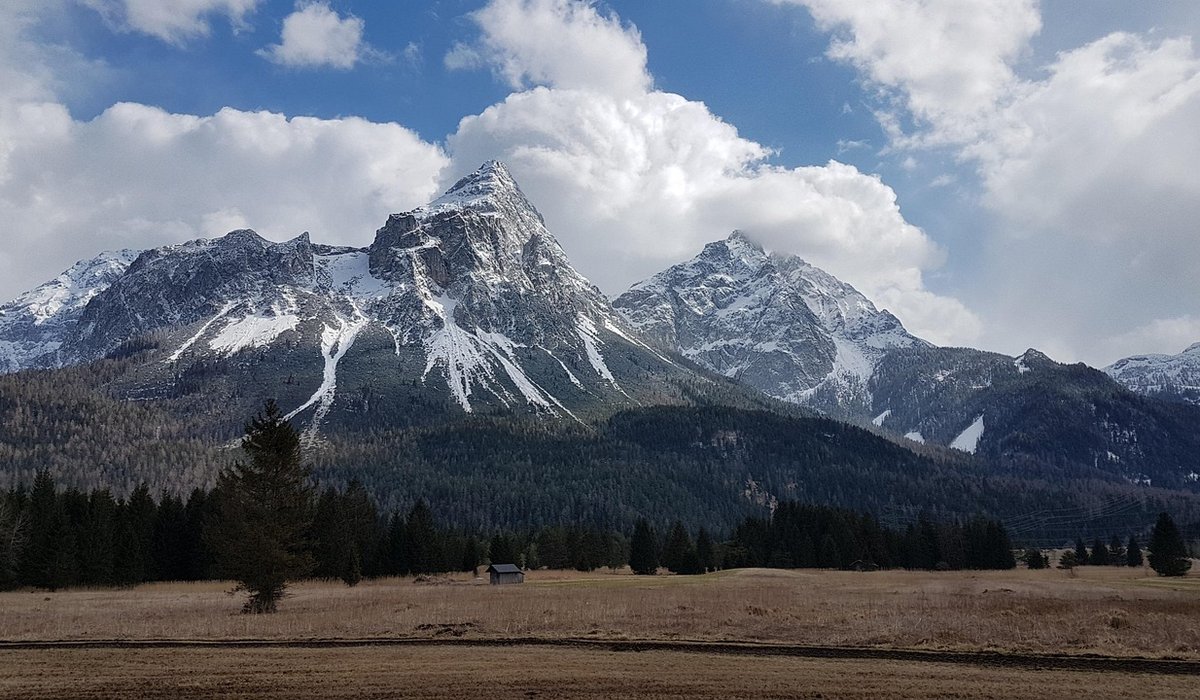
Finding Solitude on Lesser-Known Fell Routes
Why the Quiet Routes Are Worth the Extra Effort
There is a particular pleasure in reaching a summit and finding nobody there. No queue for the cairn, no rucksack traffic jam on the col, no drone buzzing over the tarn. Britain's uplands receive enormous numbers of visitors, but that pressure is concentrated on a remarkably small number of paths. A mile or two to the side of any honeypot, the hills empty out completely.
Walking the lesser-known routes is not just about avoiding company. Quieter ground means less erosion, less disturbance to wildlife, and a better chance of seeing the things you came for: a ring ouzel on a scree slope, a golden plover calling over the peat, deer drifting off a skyline that has not seen a walker all morning. It also means your money and your presence land more gently on the villages you pass through.
Reading the Map for Solitude
The trick is to choose a valley rather than a summit. Almost every popular ridge has a parallel valley one over, often with a fine fell at its head and a fraction of the traffic.
- Look for dashed paths and no car park. If the map shows a single-track lane ending at a small parking area with no visitor facilities, you are probably onto something good.
- Avoid names that appear on the front of guidebooks. If you can picture the summit from a widely sold photograph, so can everyone else.
- Try the outliers. The Howgills, the Cheviot fringe, the moels west of the main Snowdonia ranges, the fells above Dentdale and the North Pennines all offer real hill days with far thinner crowds.
- Consider a linear route using a second valley. Two parallel gills and a connecting col make a far more memorable day than an out-and-back on a motorway path.
Study the contours for steep ground and crags, note where the rights of way run and where open access land begins, and check whether your intended descent crosses a beck that could be lively after rain.
Timing: Early Starts and Out-of-Season Days
The single most effective change is to start early. On a Saturday in July, the popular car parks fill by half past nine; be on the hill by seven and you will have the first three hours entirely to yourself. Weekdays outside school holidays are similarly generous.
Out of season, the hills are quieter still, and honestly more interesting. November to March brings hard ground underfoot, no bracken, no midges, long views through leafless woodland and a quality of light that photographs rarely capture. The trade-off is short daylight and the real possibility of snow, ice or clag. Carry a headtorch, know your escape routes and be honest about your navigation. Late spring mornings are the other golden window, when birdsong in the valley woods is at full volume before the day warms up.
Walking Slowly, and Writing It Down
The upland writing tradition — Nan Shepherd on the Cairngorms, the best of the modern landscape essayists — is built on attention rather than mileage. Try covering less ground and stopping more. Sit for twenty minutes out of the wind and let the place come to you.
Keep a small notebook and record specifics rather than feelings: the smell of wet peat, the exact whistle of a plover, the way cloud poured over a col at two o'clock, the first frog of the year in a bog pool. Those details are what make a piece of writing live, and they are also what make the day stick in your own memory. Read a little local nature writing before you go; it trains the eye to notice what a fellside is actually doing.
Respecting the People Who Live There
Quiet valleys are quiet because people live and work in them. Park considerately, never in a passing place, on a verge or across a field gate. Close every gate behind you, keep dogs on leads around livestock and between March and July when ground-nesting birds are vulnerable, and do not light fires or stoves on peat or dry grass.
Stay on the path where erosion is clearly a problem — limestone pavement, blanket bog and fragile arctic-alpine vegetation take decades to recover. If you find something sensitive, such as a raptor nest or a rare plant, enjoy it and keep the location to yourself. Finally, spend something locally: a coffee, a sandwich, a pint. It is a small courtesy that keeps the goodwill that makes access work.
Practical Habits for a Quiet Day Out
- Tell someone your route and your expected return time, and stick to it.
- Carry paper map and compass as your primary tools; a phone is a backup, not a plan.
- Pack for a longer day than you intend — spare layer, hat, gloves, flask, headtorch, bothy bag.
- Leave no trace. Everything you take up comes down, including fruit peel and used tissues.
- Be prepared to turn back. Solitude is only enjoyable when you are confident you can get off the hill safely.
Choose the quiet valley, set the alarm early, and go out of season when you can. The hills will give you far more back than the crowds ever do.


Fell Walks
-
Build confidence on short grassy climbs, learn to descend efficiently and carry mandatory kit before joining longer fell races.
Hillcraft




-

Long established fact that a reader will be distracted
-

Long established fact that a reader will be distracted
-

Long established fact that a reader will be distracted


Navigation
Karla Gleichauf
12 May 2017 at 05:28 pm
On the other hand, we denounce with righteous indignation and dislike men who are so beguiled and demoralized by the charms of pleasure of the moment
M Shyamalan
12 May 2017 at 05:28 pm
On the other hand, we denounce with righteous indignation and dislike men who are so beguiled and demoralized by the charms of pleasure of the moment
Liz Montano
12 May 2017 at 05:28 pm
On the other hand, we denounce with righteous indignation and dislike men who are so beguiled and demoralized by the charms of pleasure of the moment