

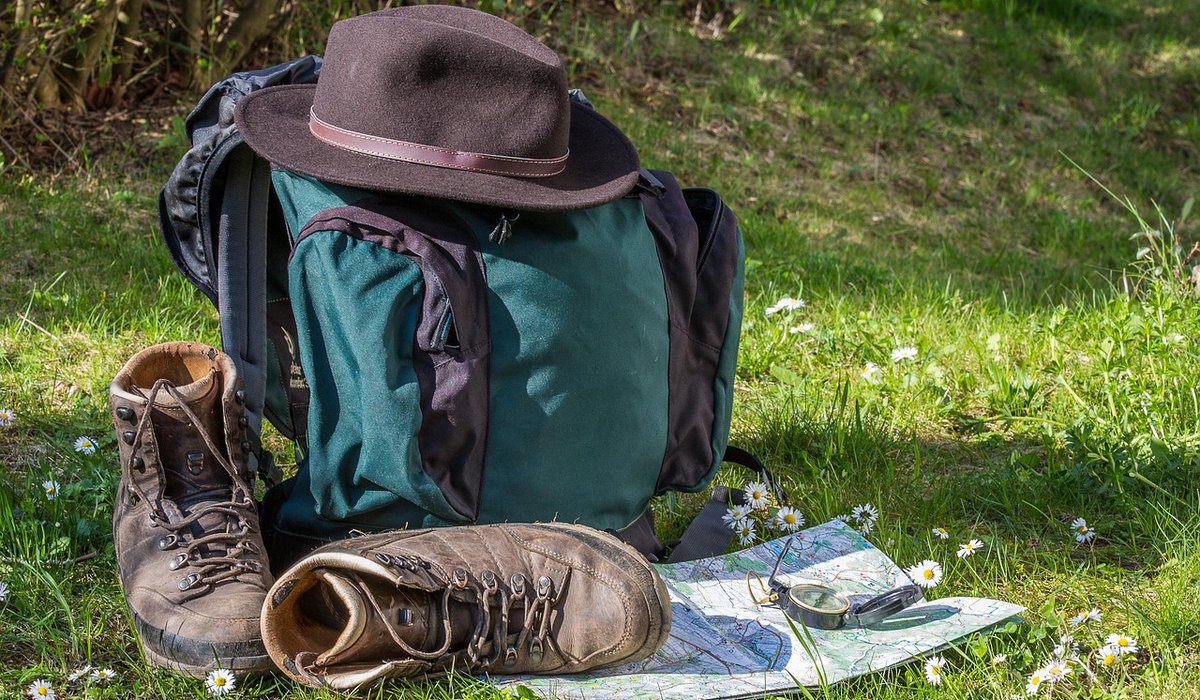
Building a Lightweight Pack for Long Ridge Walks
Why weight matters on long ridges
Every gram on your back is a gram your shoulders, hips and knees must carry over every step of a long ridge. On a flat path, a heavy pack is merely tiring. On the steep, rocky ascents of a Lakeland or Scottish ridge, it becomes a brake. You lean forward to balance the load, your stride shortens, and your shoulders burn before you reach the first cairn. The solution is a pack that feels balanced and keeps you safe when the weather turns.
Layer for the stops, not the strides
British fell weather is famously changeable. You might start in sunshine, meet a cold wind on the summit, and walk into rain an hour later. The classic mistake is carrying a bulky fleece for a cold summit. Instead, think of your clothing as a system that you adjust constantly. You generate a lot of heat moving uphill, so you need less insulation while walking than you think. The key is to have a warm layer that goes on the moment you stop.
- Base layer – thin, wicking, long-sleeved.
- Mid layer – lightweight fleece or synthetic jacket, around 200–300g. Worn while moving in cool conditions.
- Shell – waterproof and windproof jacket with taped seams and a hood.
- Belay jacket – a synthetic insulated jacket, packable and warm. It can weigh as little as 300g.
That is your upper body. For your legs, comfortable walking trousers are usually enough. Spare trousers are heavy and rarely needed. A lightweight pair of waterproof over-trousers, however, earns its place in any British rucksack.
Water: carry less, drink more
Water is the single heaviest thing most walkers carry. One litre weighs one kilogram. On a long ridge in summer, you might need two or three litres. But you do not have to carry it all from the start. The British uplands are full of streams and springs. The trick is to carry one bottle, refill when you can, and use a lightweight filter or purification tablets. A filter weighs around 100g and lets you drink from almost any clear stream. Tablets are even lighter, though they take time to work.
For a full day, carry 500ml to one litre, plus your filter. Add electrolytes to one bottle if you are sweating heavily.
Emergency kit that earns its place
There is a core of kit you should never leave behind, even on a short ridge in good weather. The British hills can turn a sunny afternoon into a cold, wet, disorientating experience. Your emergency kit should be light, but it must be complete. Weigh it once. If it is over 1.5kg, look for lighter versions. But do not leave it out.
- Group shelter – a bothy bag for two to four people. It weighs 200–400g and can save your life in a storm.
- Headtorch – fresh batteries. Phone torches are not enough.
- First aid – plasters, blister kit, painkillers, and tape. Keep it small.
- Navigation – map, compass, and a GPS or phone with offline maps. Know how to use them.
- Emergency food – 500–1000 extra calories. A couple of energy bars or a packet of nuts.
- Whistle and small mirror – around 50g. For signalling.
This kit should live in your pack, not on your shelf. Check it before every walk. Replace batteries and out-of-date food.
Pack it right, carry it better
How you pack is as important as what you pack. A well-packed 7kg rucksack feels lighter than a badly packed 5kg one. Heavy items – water, food, stove if you carry one – should sit close to your back and around your centre of gravity. Your belay jacket and shelter go at the top, so you can reach them without emptying the pack. Water is best carried low and central, either in a bladder or a bottle in a side pocket.
Use your hip belt properly. It should take 80% of the load, with shoulder straps for stability only. A 30–40 litre pack is plenty for a long day. Look for a good hip belt, compression straps, and a lid you can remove if you want to save weight. Pack your kit in a dry bag or liner – British rain will find a way in. Adjust the straps so the pack moves with you, not against you.
Fine-tuning for British conditions
British hills are wet, windy, and often boggy. So fine-tuning matters. Waterproof socks are a personal choice: they keep your feet dry but can be heavy when wet. Many walkers accept wet feet and carry spare socks. Gaiters are useful for bog and heather, but they add weight. In summer, a head net for midges weighs almost nothing and can save your sanity.
Trekking poles are worth considering for long ridges with steep ascents. They save your knees and help with balance on uneven ground. They add weight, but many walkers find the trade-off worthwhile. The best lightweight pack is the one you have tested on shorter walks. Start by weighing everything. Then remove what you did not use. Repeat. Soon you will have a system that feels almost weightless on the ascent but keeps you safe when the cloud comes down.


Fell Walks
-
From meadow pipits to ring ouzels, learn the calls and habitats of upland birds without disturbing nesting sites during spring and summer walks.
Hillcraft




-

Long established fact that a reader will be distracted
-

Long established fact that a reader will be distracted
-

Long established fact that a reader will be distracted


Navigation
Karla Gleichauf
12 May 2017 at 05:28 pm
On the other hand, we denounce with righteous indignation and dislike men who are so beguiled and demoralized by the charms of pleasure of the moment
M Shyamalan
12 May 2017 at 05:28 pm
On the other hand, we denounce with righteous indignation and dislike men who are so beguiled and demoralized by the charms of pleasure of the moment
Liz Montano
12 May 2017 at 05:28 pm
On the other hand, we denounce with righteous indignation and dislike men who are so beguiled and demoralized by the charms of pleasure of the moment