

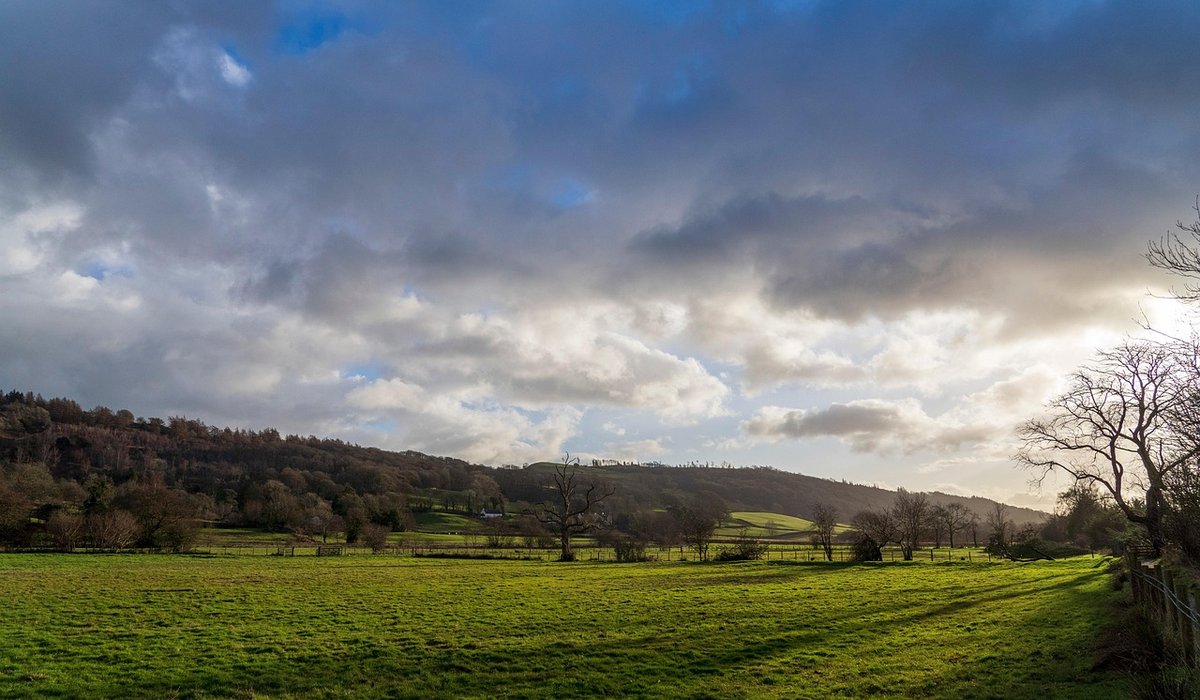
Simple Map Skills for Misty Fell Navigation
There’s a particular kind of quiet that descends when the cloud drops onto the fells. The path you were following a moment ago has vanished, the horizon has shrunk to a few metres of grey, and every direction looks the same. In those conditions, the difference between a confident day out and a cold, anxious epic comes down to a handful of simple map skills. Pace counting, handrails and attack points are the quiet heroes of misty fell navigation. They don’t need satellite signals or a fancy gadget; they just need a bit of practice and a willingness to trust your own feet and eyes.
Why the Basics Beat the Bells and Whistles
Electronic navigation has its place, but batteries die, screens fog up, and signals vanish in deep valleys. A map and compass never run out of power. More importantly, the simple techniques below force you to stay in touch with the ground under your feet. When visibility drops to thirty metres, you need to know not just where you want to go, but exactly where you are right now. That certainty comes from measuring your progress, following linear features, and breaking a long leg into short, manageable pieces. These skills are especially vital on featureless moorland, where one peat hag looks much like another and the path is often nothing more than a faint trod in the heather.
Pace Counting: Your Personal Distance Measure
Pace counting is the art of knowing how far you have walked without seeing a single landmark. The principle is simple: count every time your left foot hits the ground (a double pace), and learn how many double paces you take to cover 100 metres. On flat, firm ground most people take between 60 and 70 double paces per 100 metres. Uphill, on rough ground, or in deep heather, that number can rise to 80 or 90. The only way to know your own count is to practise. Find a measured 100-metre stretch — a running track, a quiet lane, or a known straight on a familiar path — and walk it several times, counting steadily. Do it again with a pack on, and again on a gentle slope. Write the numbers down.
In mist, pace counting works best when you start from a known point: a cairn, a stream junction, a gate, or a distinctive boulder. Take a compass bearing to your next target, then walk and count. When you reach your number, you should be at or very near that target. It won’t be perfect, but it narrows the search area from a whole hillside to a few square metres. A tally counter or a set of counting beads on your compass lanyard helps you keep track without losing concentration. And remember to adjust your count for fatigue, steep ground, and the tendency to take shorter steps when you’re unsure.
Handrails: Following the Lines
A handrail is any linear feature that runs roughly in the direction you want to go. Fences, walls, streams, ridges, even a line of old grouse butts can serve as a handrail. In mist, these features are a gift because you can follow them by touch or by keeping them just in sight. Instead of navigating across open, featureless moorland with a precise bearing, you simply walk alongside your handrail until you reach a catching feature or a point where you need to change direction.
For example, imagine you need to reach a col between two summits. A tumbledown wall runs from near your current position almost to the col. Follow the wall. It might wander, but it will keep you on track. When the wall ends or turns sharply, take a fresh bearing for the final short leg. Handrails also act as safety nets: if you overshoot your target, you will eventually hit the handrail, and from there you can relocate. The key is to identify handrails on the map before you set off, and to note where they start, end, and change direction. In poor visibility, a handrail turns a daunting navigation leg into a simple walk with a purpose.
Attack Points: Precision from the Obvious
An attack point is a large, unmistakable feature that sits close to your actual target. It might be a prominent boulder, a stream confluence, a small lochan, or a distinct bend in a ridge. The idea is to navigate to the attack point first — which is relatively easy because it is big and obvious — and then use a precise bearing and pace count for the final short distance to your target. This reduces the length of the leg where you need pinpoint accuracy.
Suppose you are looking for a small, sheltered pitch beside a tiny tarn on a wide plateau. The tarn is hard to find directly in mist. But there is a large, flat-topped rock outcrop 200 metres to the south-east. Navigate to the outcrop using a bearing and pace count. Once there, take a new bearing to the tarn and count your paces again. You will arrive within a few metres. Attack points also work in reverse: if you become disoriented, head for a known attack point (or a handrail) to re-establish your position. They are the ultimate simplification of a complex navigation problem.
Putting It Together: A Misty Day on the Fells
You are standing at a cairn on a broad ridge. The cloud is down, and you need to reach a summit two kilometres away. The map shows a wall running from your cairn for a kilometre, then a broad spur leading to the summit. You decide to use all three skills. First, you set a bearing along the wall and follow it as a handrail, counting your paces roughly to check your progress. After a kilometre, the wall ends at a small sheepfold — your first attack point. From there, you take a precise bearing along the spur. You count 600 double paces, adjusting for the gentle uphill. The summit cairn appears out of the mist exactly as expected. Without pace counting, handrails and attack points, you might have wandered onto steep ground or missed the summit entirely.
Making It Second Nature
These skills are not difficult, but they do need regular practice. On clear days, when you can see your target, try navigating by bearing and pace count anyway. Check your accuracy. Follow a handrail and note how it appears on the map. Identify attack points before you need them. Over time, you will build a mental library of your own pace counts, your favourite handrails, and the kind of attack points that work for you. Then, when the mist rolls in and the path disappears, you will feel a quiet confidence rather than a knot of anxiety. The fells in cloud can be magical places — wild, silent, and full of atmosphere. With these simple map skills, you can enjoy them safely, knowing that you can always find your way home.


Fell Walks
-
Leave no trace, arrive late and depart early, and choose a pitch that avoids fragile vegetation and private land boundaries.


Hillcraft




-

Long established fact that a reader will be distracted
-

Long established fact that a reader will be distracted
-

Long established fact that a reader will be distracted


Navigation
Karla Gleichauf
12 May 2017 at 05:28 pm
On the other hand, we denounce with righteous indignation and dislike men who are so beguiled and demoralized by the charms of pleasure of the moment
M Shyamalan
12 May 2017 at 05:28 pm
On the other hand, we denounce with righteous indignation and dislike men who are so beguiled and demoralized by the charms of pleasure of the moment
Liz Montano
12 May 2017 at 05:28 pm
On the other hand, we denounce with righteous indignation and dislike men who are so beguiled and demoralized by the charms of pleasure of the moment