

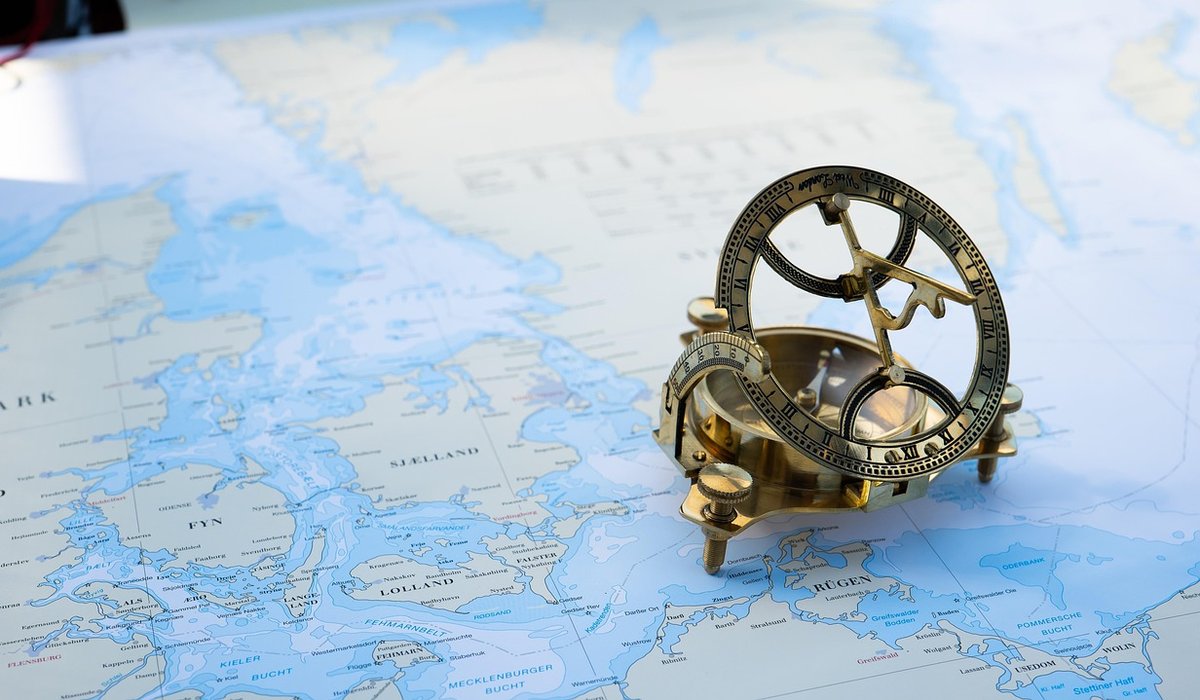
Writing Field Notes from a Day on the Fells
Why Carry a Notebook on the Fells
Most of us go out on the hills and come back with a handful of impressions that fade within a week. You remember it was windy. You remember the summit was in clag. But ask yourself a month later how long the climb took, where the path turned boggy, or whether the ring ouzels had arrived yet, and the details have gone. A small notebook, kept in a chest pocket with a stub of pencil, changes that. It turns a walk into something you can return to, argue with and learn from.
Nothing fancy is required. A pocket-sized waterproof notebook, a pencil rather than a pen (pens fail in the wet and freeze in winter), and thirty seconds at each stop. That is the whole kit. The reward is a growing record that becomes more useful the longer you keep it.
What to Write Before You Set Off
Start the entry before you leave the car park or the village. This part is quick and disciplined.
- Date, day of the week, and start time. Note the finish time too, when you get back.
- Grid reference and altitude of the start. Even rough figures will help later when you compare one valley head against another.
- The forecast you actually relied on, plus the wind speed and direction you expected. Then note what you got. The gap between the two is where the learning lives.
- Route intention and escape options — the ridge you plan to take, and the point at which you might turn back.
- Who you are with, and the state of your legs. A note reading "three weeks after a chest infection" explains an awful lot about a slow day.
This takes two minutes and immediately sharpens your thinking about the day ahead.
Weather, Ground and the Shape of the Day
On the move, jot down what the hill is doing to you. Not a weather report — just what you notice. Where the cloud base sits on a named fell. Whether the wind is a steady push or gusting over a col. Whether spindrift is running along the tops, or the rain has that fine, soaking quality that gets through everything.
Underfoot matters just as much. Which sections were a quagmire, which were dry and quick, where the eroded path forced you onto loose scree. Note the time at each significant point: the first summit, the col, the stream crossing. Over a season these timings build into an honest personal pace, far more useful than any rule of thumb. If a section took you an hour and a half in July, and you are planning the same route in November with less daylight, that number is worth more than any guidebook estimate.
Do not neglect the small practicalities: where you stopped for lunch and whether it was sheltered, whether a wall gave protection from a westerly, whether a stile was broken. A note reading "good dry spot behind the sheepfold, out of the wind" is a gift to your future self.
Wildlife and the Turning of the Year
This is where a field notebook becomes something closer to nature writing. Record what you see and, crucially, when you see it. Dates matter more than lists.
- The first skylark singing above the moor in March.
- The week the bilberry leaves turn from green to crimson on a particular hillside.
- Ring ouzels back on the crags, and the date you last heard one before autumn.
- Red grouse counts, mountain hares still in white against a snowless slope, the first frogspawn in a peat pool.
- Cloudberry flowers in June, orange fruit in August, if the sheep have not beaten you to it.
Keep the descriptions plain and physical. "A peregrine went over the crag, low and fast, and the pigeons below lifted all at once" is worth more than any adjective about majesty. Over several years, these entries become a phenology of your own patch — a record of how the uplands are shifting, and of what a normal spring looks like for the ground you love.
Feelings, Energy and Honest Notes
This is the part most people skip, and it is often the most valuable. Write down how the day actually felt. Not for posterity, but because mood and energy shape decisions on the hill far more than most of us admit.
Were you nervous on the exposed section? Did the descent hurt your knees from the halfway point? Did the clag on the plateau make you irritable and careless with navigation? Did you feel a quiet, unexpected happiness on a particular stretch of empty moorland that you cannot quite account for?
Note it plainly. A line such as "lost concentration on the contour round the spur, checked the compass twice, felt foolish" tells you something real about how you operate when tired. So does "best hour of the month, alone on the tops, nothing but the wind". Both belong in the book.
Turning Notes into Better Routes
Once a month, read back through. Patterns appear quickly. You will spot that you consistently underestimate boggy ground after wet weeks, or that you always take longer than planned on a particular ridge. You will find a preferred descent in a strong north-westerly, or a lunch spot that works in almost any weather.
Use it when planning. Build in the extra half hour your notes say you need. Choose the ascent that suits the forecast rather than the one that looks neatest on the map. Time your walk to hit a favourite crag when the ring ouzels are back, or the bilberry when it is ripe.
The notebook does one more thing, quieter than all this. It teaches you to pay attention while you are out there, because you know you will be writing it down. That habit — noticing the wind shift, the bird, the ache in your legs — is the whole of upland nature writing in miniature. Keep the pencil sharp, keep the entries short, and let the hills fill the pages.


Fell Walks
-
Use dawn, dusk and overcast conditions to capture subtle textures in rock and grass without the harsh contrast of midday sun.
Hillcraft




-

Long established fact that a reader will be distracted
-

Long established fact that a reader will be distracted
-

Long established fact that a reader will be distracted


Navigation
Karla Gleichauf
12 May 2017 at 05:28 pm
On the other hand, we denounce with righteous indignation and dislike men who are so beguiled and demoralized by the charms of pleasure of the moment
M Shyamalan
12 May 2017 at 05:28 pm
On the other hand, we denounce with righteous indignation and dislike men who are so beguiled and demoralized by the charms of pleasure of the moment
Liz Montano
12 May 2017 at 05:28 pm
On the other hand, we denounce with righteous indignation and dislike men who are so beguiled and demoralized by the charms of pleasure of the moment