

Keeping Warm During Winter Fell Walks
The changing terms of a winter day
Winter on the fells is not the same walk with more clothes on. The daylight is short, often gone by half past four, and the ground underfoot is slower, wetter and less forgiving. Add a wind of thirty miles an hour on a ridge and the temperature your body actually feels can drop by ten degrees or more. Heat is stripped away far faster from wet and wind-exposed skin, so the aim is not simply to be warm, but to stay dry, keep a margin of energy in reserve and regulate your temperature hour by hour.
The walker who suffers most is rarely the one with the least kit. It is the one who climbs hard, sweats through their layers, stops at a summit cairn for twenty minutes and then has nothing dry or warm left for the descent. Getting this right is a skill, and it is a good deal more useful than any single piece of expensive equipment.
Layer wisely, and start slightly cool
A workable winter system is three layers plus a spare. Next to the skin, a synthetic or merino baselayer that moves sweat away rather than holding it. Over that, a fleece or light synthetic midlayer for insulation. On top, a windproof and waterproof shell that you can open and close as the weather shifts. Then, packed away, a proper belay-style insulated jacket or pile-lined smock that goes on the moment you stop.
Leave the car park feeling a little cool. Within ten minutes of the first climb you will be glad of it. Cotton next to the skin is a poor choice at any time of year and a genuinely dangerous one in winter, because once it is wet it stays wet and conducts heat away from you.
- Use pit zips, chest vents and a removable hood to dump heat without removing layers.
- Add a layer before you feel cold, not after. Shivering is a late signal.
- Carry a spare baselayer in a dry bag for the journey home, or for an emergency.
- Two pairs of gloves and two hats cost little and save a great deal of misery.
Eat regularly, before you feel hungry
Cold weather raises your energy demands, and the body draws on readily available fuel to keep your core warm whether you are moving or not. It is far better to eat little and often, roughly every hour, than to rely on one large lunch that leaves you sluggish on the next climb. Slow-release carbohydrate and fat work well: flapjack, malt loaf, oatcakes with cheese, nuts, dried fruit and a few squares of dark chocolate.
Keep the food you intend to eat during the day in a jacket pocket rather than the rucksack, so it does not freeze solid and so you can reach it without stopping and cooling down. A flask of hot, sweetened drink is worth its weight. Drink before you are thirsty, because thirst is a poor guide in cold wind, and dehydration makes you far more vulnerable to the cold.
Manage the heat on the climb, guard it on the descent
The rhythm of a winter day is a constant negotiation with your own body heat. On a steep ascent you will generate far more warmth than you need. Open the shell, push up the sleeves, take the hat off and let the heat escape. Sweating heavily is the enemy: a wet baselayer will chill you for the rest of the day.
On the summit, before you turn downhill, put the insulation back on. Descending uses noticeably less energy, the wind on an exposed shoulder is often stronger, and the temptation is to set off quickly and cool down hard in the first ten minutes. Stop briefly, add the jacket, pull the hood up, have a drink and a handful of food, then go. The same applies to any stop longer than a couple of minutes.
Keep hands, head and feet honest
Extremities shut down first when the body is protecting its core, so fingers, ears and toes are your early warning system. A warm hat and a buff or neck gaiter make an enormous difference, and thin liner gloves under warmer over-mitts keep your hands usable for map, compass and flask. Waterproof over-gloves earn their place in steady sleet. Boots should be roomy enough for a thick sock without pinching, because restricted circulation means cold feet however good the boot. Gaiters keep snow and bog out, and microspikes or crampons belong in the pack from the first hard frost onwards.
Expect delays and pack for them
Winter days rarely go exactly to plan. A path that is hard to follow under snow, a blocked gate, a twisted ankle, a lost hour in mist, a slow companion: all of these turn a comfortable afternoon into a cold one. The kit that deals with this lives permanently in the bottom of the rucksack through the winter months.
- A spare insulated layer, kept dry, that you have not worn all day.
- A group shelter or large survival bag, which turns a cold wait into a survivable one.
- A head torch with spare batteries, because darkness arrives early and without warning.
- Emergency food and a hot drink you have not touched.
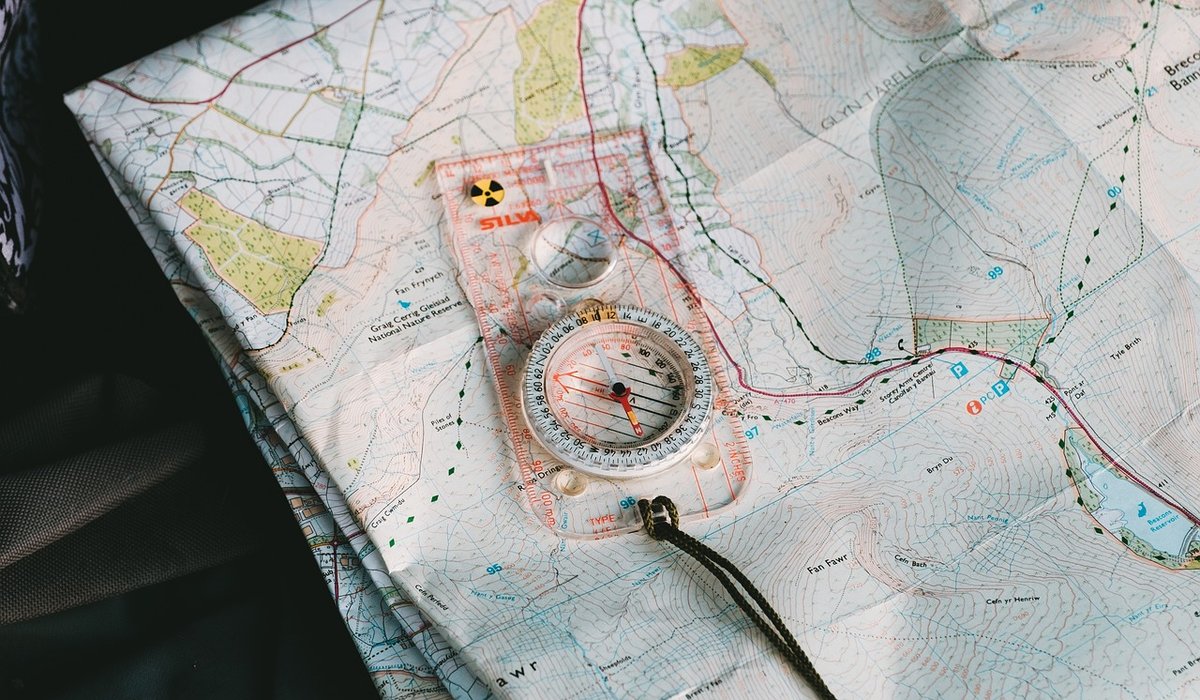
- Spare hat and gloves, and a paper map with a compass, whatever is on your phone.
None of this is about drama. It is about giving yourself enough margin that a small mishap stays small. Check the mountain forecast for wind chill rather than air temperature alone, tell someone your route and your expected return, and turn back when the day asks you to. A winter fell is a fine place to be, provided you keep the warmth you have earned.


Fell Walks
-
Follow walls, streams and fences as handrails to simplify navigation, but stay alert for gaps and changes in direction.
Hillcraft




-

Long established fact that a reader will be distracted
-

Long established fact that a reader will be distracted
-

Long established fact that a reader will be distracted


Navigation
Karla Gleichauf
12 May 2017 at 05:28 pm
On the other hand, we denounce with righteous indignation and dislike men who are so beguiled and demoralized by the charms of pleasure of the moment
M Shyamalan
12 May 2017 at 05:28 pm
On the other hand, we denounce with righteous indignation and dislike men who are so beguiled and demoralized by the charms of pleasure of the moment
Liz Montano
12 May 2017 at 05:28 pm
On the other hand, we denounce with righteous indignation and dislike men who are so beguiled and demoralized by the charms of pleasure of the moment