

Slots, Poker, and the Real Math of Online Betting
Most people who sign up for an online casino account think they're playing against the house. That's technically true, but it misses the more interesting story. What you're really playing against is a spreadsheet of probabilities that someone designed months or years before you clicked "spin." Understanding that spreadsheet — at least roughly — is the difference between entertainment and slow financial bleeding.
This isn't a lecture about quitting gambling. It's a practical breakdown of how the main iGaming verticals actually work, where the money really flows, and which habits separate recreational players from people who treat it like a math problem. Whether you're into slots, sports betting, or poker, the principles overlap more than most players realize.
House Edge Is Not the Whole Story
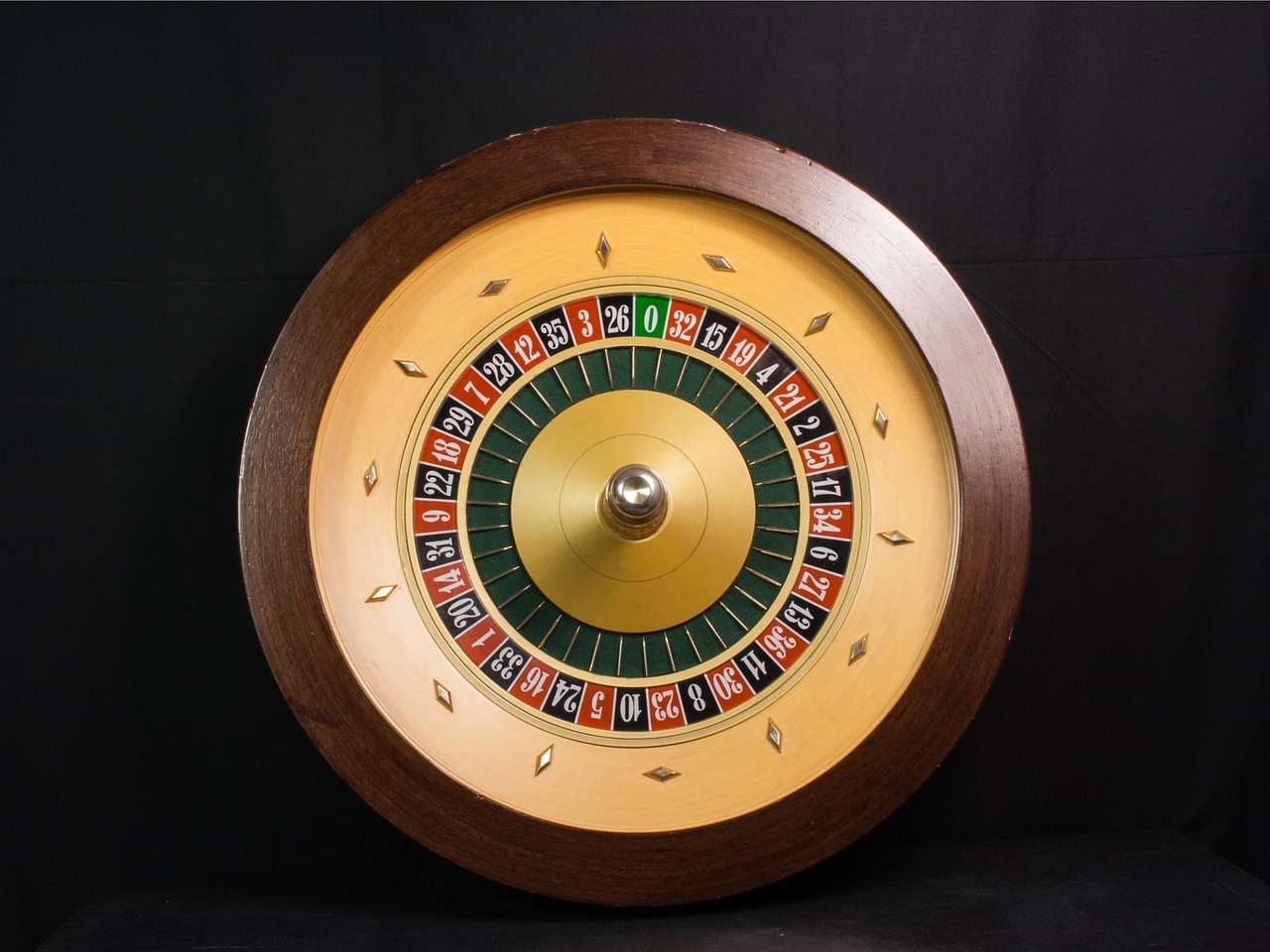
Every casino game has a house edge, and you've probably seen the numbers: European roulette at 2.7%, blackjack with basic strategy around 0.5%, slots anywhere from 2% to 15%, and so on. These numbers are accurate, but they describe the long run, and nobody plays the long run.
What matters in practice is variance. A slot machine with a 4% house edge and high volatility can pay 500x your bet once every few hundred spins, or it can eat your balance in twenty minutes. Both outcomes are consistent with the math. The edge tells you which direction the money drifts over tens of thousands of spins. Variance tells you what tonight looks like.
This is why two players with identical bankrolls and identical games can walk away with completely different stories. If you don't separate edge from variance in your head, you'll attribute wins to skill and losses to bad luck — and you'll keep making the same decisions.
Slots: It's Almost Entirely About RTP and Volatility
Modern video slots are engineered products. Providers like Pragmatic Play, Nolimit City, and Hacksaw Gaming compete on volatility and bonus mechanics, not just themes. When you open a slot's information panel, the useful numbers are:
- RTP (Return to Player): the percentage of all wagered money the machine pays back over time. 96% is standard; anything below 94% is aggressive.
- Volatility: how the payouts are distributed. Low volatility = frequent small wins. High volatility = rare big wins.
- Max win: usually expressed as a multiple of your bet. A 50,000x max win sounds amazing until you notice it requires a bonus round with specific symbol combinations at maximum multiplier.
A common mistake is chasing high max wins on a small bankroll. If a slot has 20,000x potential but 1-in-500,000 hit frequency for its top payout, that number is decoration. Choose slots whose volatility matches your bankroll size, not your fantasy.
A quick rule of thumb
If your session bankroll is 100 units (say, $100 with $1 spins), stick to low or medium volatility slots with RTP above 96%. Save the 15,000x monsters for when you genuinely don't mind losing the entire session budget.
Sports Betting: Where Sharp Money Lives
Sports betting feels more skill-based than slots, and to some extent it is. But the margin is baked in. A standard -110 line on a two-way market carries about a 4.5% hold for the bookmaker. To beat that long-term, you need to win more than 52.4% of your bets — not 50%.
That difference is where professional bettors live. They don't predict outcomes better than the market most of the time; they find moments when the market is wrong. Line movement, injury news, weather, and public bias all create temporary inefficiencies. Sharp bettors hit those windows and then wait.
For recreational bettors, three habits consistently improve results: A good place to continue is สล็อต.
- Shop lines across multiple sportsbooks. A half-point in NFL spreads changes the math meaningfully.
- Avoid parlays with more than three legs unless you understand the compounding house edge.
- Track every bet. Not to feel productive — to see which bet types actually work for you.
Bonus offers, free bets, and odds boosts can temporarily shift expected value in your favor. Treat them like coupons, not strategies. They're useful, but they don't change the underlying game.
Poker Is a Different Animal
Poker is the only mainstream iGaming vertical where you're playing against other players, not the house. The house takes a rake — typically 5% of the pot capped at a few dollars — and then steps back. That single structural difference changes everything.
In poker, a skilled player can have a positive expected value over thousands of hands. That doesn't mean every session wins. It means that if you play well enough, the rake is beatable. Most players don't beat it. The distribution of poker profits is brutally top-heavy: a small percentage of players take most of the winnings, and everyone else funds the ecosystem.
If you're serious about poker, the priorities are unglamorous:
- Bankroll management: 20–30 buy-ins for cash games, 50–100 for tournaments, depending on format.
- Game selection: soft tables beat tough tables, every time. A mediocre player at a great table outperforms a great player at a bad one.
- Study vs. play ratio: serious amateurs study at least 1 hour for every 3–4 hours played.
The romanticized version of poker — bluffs, soul reads, dramatic calls — represents maybe 5% of what actually drives profit. The rest is patience, position, and not paying off obvious hands.
Where the Real Discipline Lives
All four verticals — slots, casino table games, betting, and poker — share one thing: the players who last are the ones who decide in advance what they're willing to lose. Not as a vague intention, but as an actual number. A weekly deposit limit. A session stop-loss. A rule about never chasing losses after midnight.
Modern regulated operators in markets like the UK, Sweden, and parts of the US are required to offer deposit limits, session timers, and self-exclusion tools. These exist because the industry knows that unmanaged play leads to churn — players burn out and leave. Using them isn't a sign of weakness; it's how you stay in the game.
The uncomfortable truth about iGaming is that most of it is designed to be entertaining, not profitable, for the player. Slots and casino games are entertainment products with a cost. Sports betting is a market with a margin. Only poker rewards sustained skill. Knowing which category you're stepping into at any given moment is the single most valuable habit you can build.
Play the games you understand, at stakes you can absorb, with money you've already mentally written off. Do that, and the spreadsheet stops being your enemy. It just becomes the table you're sitting at.


Fell Walks
-
A dependable compass with clear markings and a robust baseplate matters when mist, rain and cold hands make navigation difficult on the hills.


Hillcraft




-

Long established fact that a reader will be distracted
-

Long established fact that a reader will be distracted
-

Long established fact that a reader will be distracted


Navigation
Karla Gleichauf
12 May 2017 at 05:28 pm
On the other hand, we denounce with righteous indignation and dislike men who are so beguiled and demoralized by the charms of pleasure of the moment
M Shyamalan
12 May 2017 at 05:28 pm
On the other hand, we denounce with righteous indignation and dislike men who are so beguiled and demoralized by the charms of pleasure of the moment
Liz Montano
12 May 2017 at 05:28 pm
On the other hand, we denounce with righteous indignation and dislike men who are so beguiled and demoralized by the charms of pleasure of the moment